
Companies Catalog
All Companies
in: All Greece
Categories





.png)


.png)


.png)


.png)


.png)


.png)


-

ARCHAEOLOGICAL MUSEUM OF MYTILENE
Open: Winter: Tuesday-Sunday: 08.00-15.00 until March 31st Closed on Mondays. Summer: Tuesday-Sunday: 08.00-15.00 until October 31st Closed on Mondays. Tickets: Full: €3, Reduced: €2 In the old building of the Archaeological Museum of Mytilene the history of Lesvos from the Final Neolithic period to the late Roman period is being unfolded. With the exhibition in the new building of the Archaeological Museum of Mytilene the daily religious, economic and political life of the 3rd century BC to the 4th century AD is being unfolded.Category: MUSEUMS
Images [2]Send e-mailA. Eftalioti Str. (Old Building) and 8th Noemvriou Str. (New Building) - Mytilene2251028032,2251040223 -
ARCHAEOLOGICAL MUSEUM OF NAFPLION
Open: Winter: 8:00-15:00 Summer: 08:00-15:00 Every Monday, the museum is closed. Holy Friday, April 10th: 12.00-17.00 Tickets: Full: €3, Reduced: €2 The Archaeological Museum of Nafplion is housed exhibits from excavations of the Archaeological Service and the Archaeological Society Foreign Archaeological Schools and donations (Glymenopoulou, Nikandrou). The Archaeological Museum of Nafplion is housed in a monumental, two-floor building in the historic center of Nafplion. The space of the permanent exhibition of the museum covers an area of 580 sq.m. and occupies the first and second floor. In the hall of the first floor exhibits date back to the prehistoric era, the Paleolithic, the Mesolithic, the Neolithic and the Bronze Age and from Franchthi cave Kefalari, Dendra, the Midea, Nauplia, Tiryns, Assini, the Prosymna-Berbati and Kazarma. In the new exhibition the museum to be organized soon to be subjected approximately 1500 objects. Much of these consists of the exhibits from the old exhibition and will be listed in the new report around 500 findings from recent or earlier excavations. On the ground floor of the museum houses the Fourth Prehistoric and Classical Antiquities.Category: MUSEUMS
Images [3] -
ARCHAEOLOGICAL MUSEUM OF NAXOS
Open: Winter: (1 November until 31 March 2015) 8:00-15.00 Summer: (05 August until 31 October 2015) Tuesday-Sunday: 08:00-15:00 Monday: closed Tickets: Full: €3, Reduced: €2 The Archeological Museum of Naxos houses works of art and objects of every day use dating from the Late Neolithic period to Early Christian times (5300 BC - 5th c. AD). These finds came to light in the excavations which have been continuing on the island since the Second World War. Excavations over the last forty years have brought a large number of archaeological sites (Grotta, Aplomata, Pithos in Chora, Melanes, Sangri, Iria, Tsikalario in central Naxos, Panormos, Korphi t'Aroniou in east Naxos), and also the many finds that are now housed in the Naxos Museum.Category: MUSEUMS
-
ARCHAEOLOGICAL MUSEUM OF NEMEA
Open: Summer: 8:00 - 15:00 until the 31st of October Tickets: Full: €4, Reduced: €2 Special ticket package: Full: €4, Reduced: €2 Valid for: Archaeological Museum of Nemea, Sanctuary of Zeus at Nemea, Stadium of Nemea The museum contains a collection of pictures of Nemea by travellers of the 18th and 20th centuries, coins of ancient visitors to Nemea, items related to the athletic activity on the site, prehistoric finds (pottery, tools, weapons etc.) from sites in the district of Nemea, pottery and jewellery from the Mycenaean cemetery at Aidonia and the settlement of Aghia Eirene, architectural parts from monuments at Nemea and other sites, and a collection of inscriptions from Nemea, Phlius and Petri.Category: MUSEUMS
Nemea - Corinthia2746022739 -

ARCHAEOLOGICAL MUSEUM OF NICOPOLIS
Open: Winter: 08:30 - 15:00, Monday to Friday (From November 1st) Summer: Every day , 08:00 am.– 20:00 p.m Tickets: Full: €3, Reduced: €2 Valid for: Ancient Nikopolis, Archaeological Museum of Nikopolis The museum was built in the 1960's, by the Technical Services of the Ministry of Education. In 1972, the finds from the excavations at Nicopolis were put on display and a storeroom was built near the museum, to house the sculpture and finds not included in the exhibition. A new, larger museum is planned to be constructed soon. The museum contains collections of architectural parts and sculpture from the ancient city and offerings from the cemetery of Nicopolis.Category: MUSEUMS
Images [6] -
ARCHAEOLOGICAL MUSEUM OF NISYROS
Open: Winter: Tuesday to Sunday : 08:00 - 15:00 Monday : Closed Summer: Monday to Saturday : 08:30 - 15:00 Sunday : Closed The Archaeological Museum of Nisyros at Mandraki is a creation of the initiative of the Giannidis brothers, with whose money built the building that also houses allocated to the Ministry of Culture in 2001. It includes findings from prehistoric plant in volcanic islet Glass, opposite Nissiros, the which date back to the Final Neolithic Period of the 4th millennium BC, where excavations have revealed an intact Neolithic oval building, remains of other buildings, and cemetery. Also out rich finds from the necropolis of the ancient city, dating from the Archaic, Classical and Hellenistic Period. The museum includes discoveries from the early Christian, Byzantine and post-Byzantine Nisyros. Early Christian capitals of the 5th and 6th century AD, depiction of Middle Byzantine iconostasis from the church of Panagia Spiliani, parts of frescoes of the Byzantine churches of the island, visual material about the most important churches, castles and knights icons of post-Byzantine churches Nisyros.Category: MUSEUMS
Images [2] -
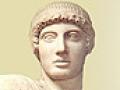
ARCHAEOLOGICAL MUSEUM OF OLYMPIA
Open: Summer: From 15/9/2015 until 30/9/2015 8:00-19:00 Winter: From 01/10/2015 until 31/10/2015 8:00-18:00 Last admission (all days): 15' before closing Tickets: Full: €6, Reduced: €3 Special ticket package: Full: €9, Reduced: €5 Valid for: Archaeological Museum of Olympia, Olympia Through the many exhibits of the permanent exhibition of the Archaeological Museum of Olympia the visitor is introduced to the history of the great Pan-Hellenic sanctuary from the Early Bronze Age to the sixth-seventh centuries AD. The sculpted decoration (metopes and pediments) of the temple of Zeus, the most important example of the Severe Style in Greek art, the statue of Nike by Paionios and the Hermes of Praxiteles are the museum's pieces de resistance. Equally important is the bronze collection, the richest of its kind in the world. Exhibition Units -The prehistoric period at Olympia (Gallery 1) -Geometric-Archaic periods (Gallery 2) -Late Archaic period and architectural sculpture (Gallery 3) -The Severe Style (Gallery 4) -The sculpted decoration of the temple of Zeus (Gallery 5) -The Nike of Paionios (Gallery 6) -Pheidias and his workshop (Gallery 7) -The Hermes of Praxiteles (Gallery 8) -Late Classical and Hellenistic periods (Gallery 9) -Roman sculpture (Gallery 10-11) -The last years of the sanctuary's life (Gallery 12)Category: MUSEUMS
Images [1]Ancient Olympia - Ilia2624022742 -
ARCHAEOLOGICAL MUSEUM OF PALAIOPOLIS
Open: Winter: (November 1 to March 31) Saturday 9: 00-16.00 Monday-Friday and Sunday: closed Summer: (05 August to 31 October) Tuesday to Sunday 09: 00-16: 00 Closed on Monday Tickets: Admission free The Archaeological Collection of Palaiopolis was only recently organized and the rearrangement of the exhibition has not yet been completed. It is housed in a building erected in 1981, donated to the Community of Palaiopolis by the Basil and Eliza Goulandris Foundation. It contains collections of sculpture, reliefs and inscriptions, ranging from the Classical to the Roman period. The most important items of the exhibition are: - Marble sculptural group from Palaiopolis. It represents Pegasus, the mythical winged horse, with its rider, Vellerophon. It was the acroterion of a temple, and is dated to the end of the 6th or the beginning of the 5th century B.C. Inv. no. 206 - Marble lion. Funerary statue in life size, found at the cemetery of ancient Andros (Palaiopolis). Dated to ca. 320 B.C. Inv. no. 208 - Inscribed marble slab. It preserves 178 verses of the hymn to Isis, who is praised as a goddess of the earth, the sky and the sea, and as the inventor of sailing. Dated to the 1st century B.C. Inv. no. 106 - Marble statuette of Artemis, dated to the Hellenistic period (3rd century B.C.). Inv. no. 209Category: MUSEUMS
-
ARCHAEOLOGICAL MUSEUM OF PALAIOPOLIS
Open: Winter: Open every day except Monday: 08.00-15.00. Summer: From April 1st, 2014 the Museum is open everyday from 08.00 to 16.00. Last admission to the Museum is thirty minutes before closing. Tickets: Full: €3, Reduced: €2 The Palaiopolis Museum exhibition aims to inform the visitor on the use of the building and the history of the estate from antiquity to the 20th century, revealing important aspects of life in ancient Corfu and historical development of the ancient city. The objects on exhibition, covering the period of construction of the villa, where the museum is housed, but also all life centuries of the ancient city of Corfu (late 8th c. BC to 500 AD). The exhibition is organized in thematic units that involve and chronological succession. The sections on the history of the villa and the estate, the dominant rhythms of 19th c., When the villa was built on the idea of the time of antiquity, the history of the island and the city and then of life in space Paleopolis. They concern finally in important areas of life and activity of ancient Corfu but also to reach the archaeological research to discover, to reconstruct and make the estate all the past.Category: MUSEUMS
Images [4] -
ARCHAEOLOGICAL MUSEUM OF PAROS
Open: Winter: (1 November 2014 until 31 March 2015) 8:00-15.00 Summer: (1 April until 31 October 2015) Tuesday-Sunday: 08:00-15:00 Monday: closed Tickets: Full: €2, Reduced: €1 The museum contains the following collections: - Room A: Archaic and Classical sculpture, - Room B: Pottery, sculpture and small finds dating from the Neolithic to the Roman period, - Atrium: Sculptures, architectural parts, urns, and a mosaic floor dating from the Roman period.Category: MUSEUMS
Images [3] -

Archaeological Museum of Patras
Open: Daily: 08:00 a.m.-20:00 p.m. Tickets: Full: €4, Reduced: €2 Special ticket package: Full: €5, Reduced: €3 Valid for three (3) days Valid for: Archaeological Museum of Aigion, Archaeological Museum of Patras Exhibition Units The permanent exhibition of the Archaeological Museum of Patras is formed in three modules, each of which consists of sub-sections: First section (first room): Private life 2nd section (2nd room): Public Life 3rd section (3rd room): NecropolisCategory: MUSEUMS
Images [3] -

ARCHAEOLOGICAL MUSEUM OF PELLA
Open: 08:00-20:00 daily Tickets: Full: €6, Reduced: €3 Special ticket package: Full: €6, Reduced: €3 Valid for: New Archaeological Museum of Pella, Pella The museum of Pella is located in the northeastern part of the archaeological site of Pella, in the immediate vicinity of the modern town of Pella in the east. In the museum, where the visitor goes after his tour to the archaeological site, one can reconstruct the archaeological information they provided to the monuments and to understand the various aspects of everyday, and public life of the Macedonian capital. Exhibits: Section 1: Daily life Section 2: Public life Section 3: Religion-Cults Section 4: Cemeteries Section 5: PalaceCategory: MUSEUMS
Images [8] -
ARCHAEOLOGICAL MUSEUM OF PHILIPPI
Open: Winter: Tuesday tp Sunday 08:00-17:00 Monday closed Summer: Tuesday tp Sunday 08:00-18:30 Monday 13:00-18:30 Tickets: Full: €2, Reduced: €1 Special ticket package: Full: €4, Reduced: €2 Valid for: Archaeological Museum of Philippi, Philippi The Archaeological Museum of Philippi was built in the 1960s according to plans of the architects I. D. Triantaphyllides and D. Fatourou on the outskirts of the archaeological site of Philippi. Because the old building had multiple problems (lack of tightness of roofs, damaged windows, complete lack of heating problems in the electrical installation, etc.) IH Prehistoric and Classical Antiquities resorted to the inclusion of the project in the CIP INTERREG IIIA / PHARE CBC Greece - Bulgaria from 2006 to 2009. The building has two showrooms modules for permanent presentation of the findings from the excavations of the ancient city: Section A: It occupies the entire ground floor and has an area of 380 sq.m. This section presents archaeological (inscriptions, sculptures, vases, coins, jewelery), history and visual material of the city of Philippi and the region from prehistoric times to the end of Roman antiquity. Section B: It occupies the first floor of the building with an area of 205 sq.m. and this Christian city shown (inscriptions, architectural elements, mosaics, pottery, coins) from Early Christian times of prosperity as the downsizing of the 7th AD century as the final desolation after the Turkish conquest in the late 14th century.Category: MUSEUMS
Images [4] -
ARCHAEOLOGICAL MUSEUM OF PIRAEUS
Open: Winter: From the 1st of January until the 31 of March 2015: 8:00-15:00 Monday: closed Summer: From the 1st of April until the 31 of October 2015 08:00-15:00 Monday: closed Tickets: Full: €3, Reduced: €2 The permanent exhibition of the Archaeological Museum of Piraeus includes findings of rescue and systematic excavations of Piraeus, Kallithea, Moschato of Attica Beach in Varkiza, the islands of the Gulf Islands and Kithira and two notable private collections, the Meletopoulou-Nomidou Collection and Geroulanou Collection. These clay and bronze vases, figurines, small objects, jewelry, musical instruments, bronze and marble statues, votive and funerary reliefs, which chronologically cover the long period from the 18th century. BC to the 4th century. AD, however, dominated the exhibits of the 5th and 4th century. BC, especially those related to the parallel course of Athens and Piraeus, and those referred to in private life, mainly funerary monuments. Some of the exhibits are very rare, such as the famous bronze statues, the impressive monument of Kallithea, the figurines of the Minoan peak sanctuary of Kythira and Mycenaean sanctuary of Methana. Exhibition Units - The ancient Piraeus as a naval base and commercial center (lobby floor) - Pottery and privacy (room 2 floor) - The bronze statues of Piraeus (halls 3-4 of the floor) - Religious life (room 5 floor) - Morphological evolution of the funerary monument (room 6 floor, halls 7-8 Ground floor) - The plastic of the Hellenistic and Roman period (rooms 9-10 floor)Category: MUSEUMS
Images [1] -
ARCHAEOLOGICAL MUSEUM OF POLIGIROS
Open: Closed due to renovation. The Museum of Poligiros, unique in Chalkidiki is located on a forested land in the west entrance of the city. It was inaugurated in 1970 and the building plans were created by Dimitris Fatouros. In its halls representative archaeological finds from all over Chalkidiki are being hosted and give an overview of the area since prehistoric times. The exhibition is structured into four main findings sections developed along a main axis browsers, starting in the middle of the vestibule. These modules include groups discoveries from Olynthos, Toroni and the main positions or famous cities of Halkidiki as the sanctuary of Ammon Zeus of ancient Afitos.Category: MUSEUMS
-
ARCHAEOLOGICAL MUSEUM OF POROS
Open: Winter: From the 1st of November 2014 until the 31 of March 2015: 8:00-15:00 Monday: closed Summer: From the 1st of April 2015 until the 31 of October 2015: 8:00-15:00 Monday: closed Tickets: Full: €2, Reduced: €1 Special ticket package: Full: €6, Reduced: €3 Due to a temporary lack of special ticket packages, be informed at the local ticket office for availability. Valid for: Archaeological Museum of Kolona Aigina, Archaeological Museum of Poros, Archaeological site of Aphaia at Aigina, Kolona, Pavlos Kountouriotis Mansion, Spetses Museum, Temple of Aphaia The Archaeological Museum of Poros was built in the late 1960s, at the site of the old residence Korizi. One of the findings of the museum of particular interest is the plaster of the inscribed column from Troezen. On it bearing the text of the resolution which, in 480 BC, Themistocles urged the Greeks to resist the Persian invaders. The original is in the Epigraphic Museum. Apart from this, the two floors of the museum in two rooms each floor are exhibited exceptional findings of the excavations all Trizina as findings of the old excavations Philadelphus, Hermione. The exhibits make up a rich collection that covers all periods, from the Mycenaean era to the early Christian centuries. Many of the exhibits, sculptures, inscriptions and architectural pieces are important only for the history of the place.Category: MUSEUMS
-
ARCHAEOLOGICAL MUSEUM OF RETHYMNO
Open: Winter: From the 8th of June until the 31 of October 2012: 9:00-16:00 Tickets: Full: €3, Reduced: €2 The exhibition of the Archaeological Museum of Rethymno includes objects coming from excavations in the prefecture of Rethymno and give a timeless image of the cultural history of the county from the Neolithic Age to the Roman period. The exhibits are presented in chronological sections and excavation totals. The collections include: - Late Neolithic findings (3500 - 2900 BC) and Early Minoan (2800 - 2100 BC) years from the caves of Gerani, Melidoni Margeli and Elena. - Middle Minoan period findings (2100 - 1600 BC) from the campuses Apodoulou, Monastiraki and the peak sanctuary in Vrisinas. - Late Minoan period findings (1600 - 1100 BC) from the cemeteries of the region. The most representative is the cemetery of Armeni. - Geometric findings (1000 - 700 BC) and Archaic (700-500 BC) years from Eleftherna and Axos. - Classical, Hellenistic and Roman periods findings from Stavromenos and Argyroupolis (ancient Lappa).Category: MUSEUMS
-
ARCHAEOLOGICAL MUSEUM OF RHODES
Open: Winter: From November 1 to March 31 Tuesday-Sunday: 08: 00-15: 00 Monday: Closed Summer: Monday: 09.00-16.00 Tuesday-Friday: 08.00-20.00 Saturday, Sunday & Holidays: 08.00-15.00 Tickets: Full: €6, Reduced: €4 Special ticket package: Full: €10, Reduced: €5 Valid for: Archaeological Museum of Rhodes, Collection of the Church of Panagia tou Kastrou, Decorative Arts Collection, Rhodes, Palace of the Grand Masters, Palace of the Grand Masters The permanent collection of the Archaeological Museum of Rhodes is composed of the Italian rule excavations mainly Rhodes and the other Dodecanese islands. Mycenaean jewelry, vases and small objects from burial ensembles of Ialyssos and Kamiros of the Geometric to the Classical period (9th-4th century BC), sculptures of Classical and Hellenistic periods and coins Rhodian Hellenistic are the main exhibits. The exhibition aims to highlight the major findings from Rhodes to help illustrate the ancient history of the place.Category: MUSEUMS
Images [1] -
ARCHAEOLOGICAL MUSEUM OF SITIA
Open: 08:30-15:00 Monday: closed Tickets: Full: €2, Reduced: €1 The Archaeological Museum of Sitia includes findings from the area of Lasithi and Sitia province. The exhibition of the museum is divided into four categories and thirty display cases with exhibits from 3,500 BC until 500 AD, consisting of: Exhibits from the Minoan period Exhibits from Zakros Exhibits from the Geometric and Archaic period Exhibits from the Greek-Roman periodCategory: MUSEUMS
Images [4] -
ARCHAEOLOGICAL MUSEUM OF SKYROS
Open: Winter: Monday: closed Tuesday - Sunday : 08:00-15:00 Summer: Monday: closed Tuesday - Sunday : 08:00-15:00 Tickets: Full: €2, Reduced: €1 The two rooms of the Skyros Museum contain finds from archaeological sites on the island dating from the Early Helladic period (2.800-1.900 BC) to Roman times (1st c. AD). Characteristic vases in this case include a Cypriot-made flask, an Attic Geometric pyxis with ponies worked in the round on the lid and the zoomorphic rhyton (ritual vase) in the form of a horse. Collections: Pottery of the early Helladic period (2.800-1.900 BC) from the city of Skyros, Palamari and elsewhere. The relief Cycladic lid from Papalagoudi, and the Trojan goblet from Palamari are of some importance. The case also contains paint-boxes and obsidian tools. Pottery of Mycenaean period (1.600-1.100 BC) from various sites on the island: askoi, stirrup jars, alabastra, skyphoi, etc. Two vases, one with a scene of a ship and the other with fishes, are of special interest. Pottery of the Protogeometric period (11th-9th c. BC) from the cemetery on the coast at Magazia. The skyphoi, pitchers, single-handled tall glasses, fine oinochoai, miniature trefoil pots, and the jewellery, such as the gold leaves and hair-rings, and faience necklaces, are typical of the wealth of this period. Finds from the Protogeometric and Geometric periods (900-800 BC). The krater with the motif of the wheel (case 4) is of interest, as are the bronze bracelets (case 4), the local coarseware vases (case 5), and the Protogeometric plate no. 353 (case 5). Protogeometric and Geometric pottery from Magazia and Themi. The annular vase with birds, and the pyxis of Attic-Cycladic type on the bottom shelf (no. 184) are of particular interest. Mainly Protogeometric pottery from Agia Anna and Magazia: a flask, a gold hair ring and earrings, two puppets, bronze bracelets and a series of fine vases: jugs, wheel-made cups, a hydria etc. Finds of the Geometric and Archaic periods from recent excavations: Euboean ?made Corinthian aryballoi, Geometric pictures with scenes of horses, superb, richly decorated skyphoi, an electrum (alloy of gold and silver) band, brooches and necklaces, and imported faience vases. Vases and other objects from the Classical to the Roman period (5th - 1st c. BC): a female statuette of the classical period, a Hellenistic head and a statuette of a child, Hellenistic pottery, a plastic, zoomorphic vase, and the headlees statuette of Cybele. The following sculptures are of interest: an archaic Kore, grave stele, which was recut on the back in Roman times, a fragment of a head of a core, and a statue, possible of Apollo. In the courtyard are displayed architectural members and the sculptures of various periods, and the Protogeometric and Geometric Sarcophagi. The museum houses the fine folklore collection of L. Kostiri, in memory of Mrs. Kostiris brother, the archaeologist I. Papadimitriou.Category: MUSEUMS
Images [1]
 Promote your business